
When developing a new component, even a minor alteration to a custom spring or high-volume pressing can completely alter the performance, safety and final production costs of an entire assembly. Custom springs, wire forms and specialised pressings are frequently mapped out early in the conceptual phase, yet purchasing teams often delay involving an expert manufacturer until major design decisions are already locked in place.
Waiting too long introduces significant project vulnerability. Opting for a standard catalog part just to meet a rapid turnaround schedule often leads to premature component fatigue, unvalidated tolerances or assembly complications on the product line.Taking a collaborative engineering approach completely changes this dynamic. Involving design engineers, material specialists and manufacturing teams right from the initial sketch ensures that potential structural or mechanical challenges are resolved long before the tooling process begins. For industrial projects where long-term durability, structural safety and cost control are crucial, early consultation replaces speculative design with calculated predictability.
What Is Collaborative Engineering in Modern Component Design?
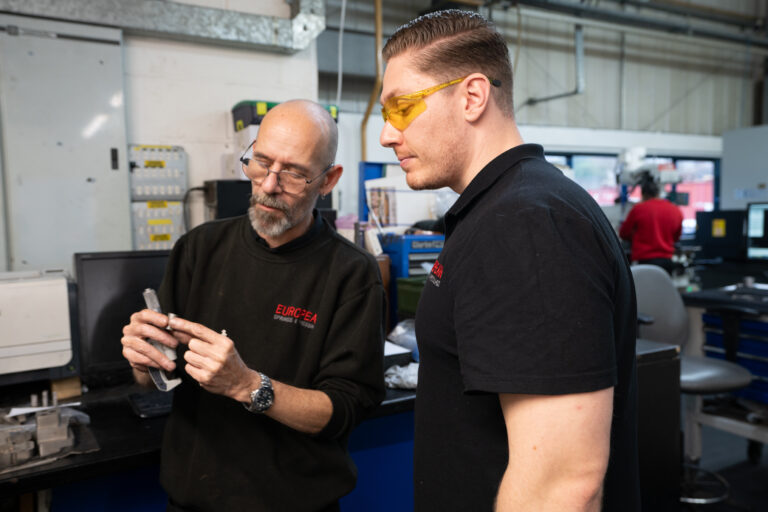
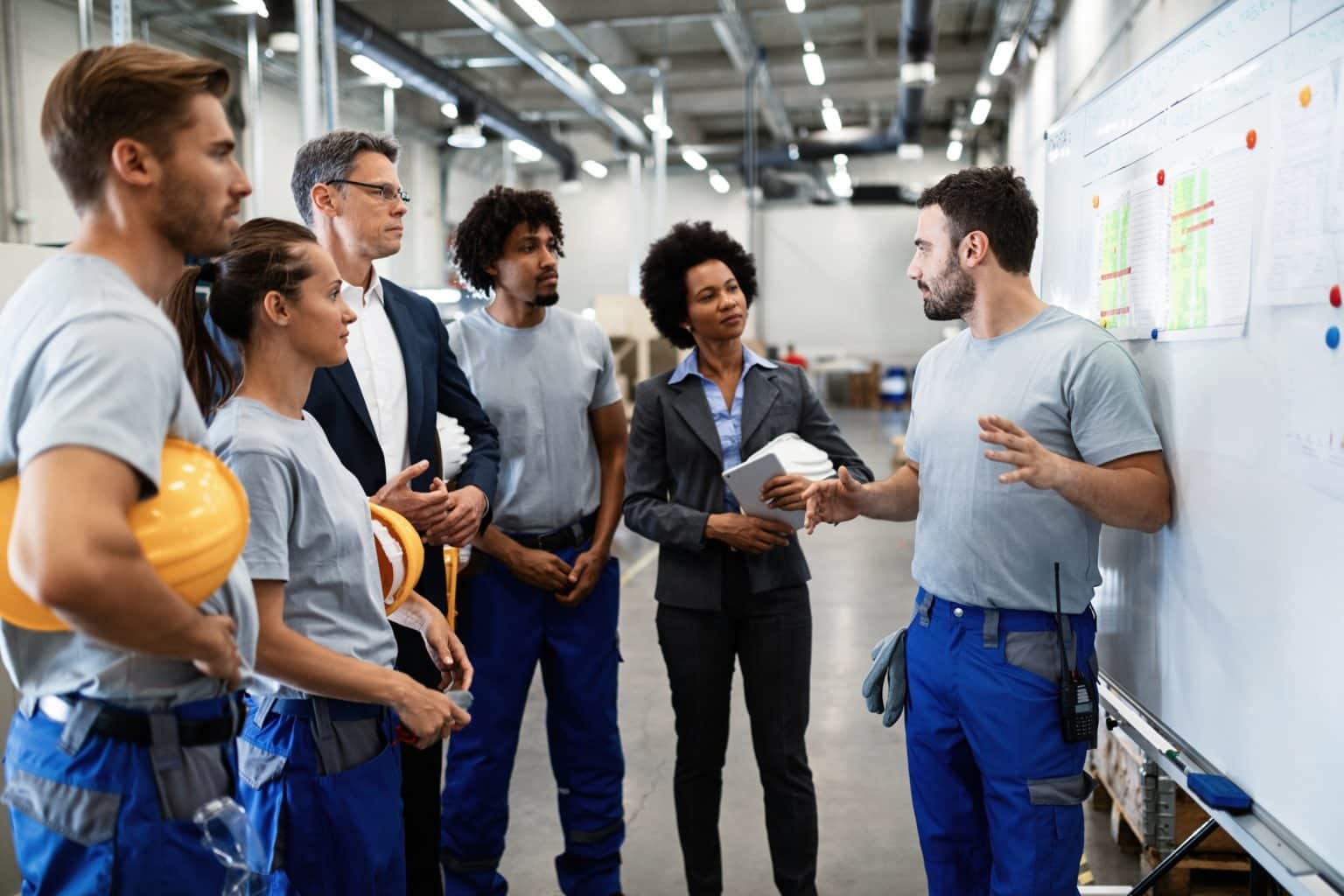
Collaborative engineering is a structured product development methodology that integrates multi-disciplinary manufacturing expertise throughout every stage of a project lifecycle. Instead of working in isolated departmental segments, mechanical engineers, spring designers and metallurgy specialists pool their technical insights from the earliest phase of concepts through to the final automated production.
In custom spring and pressing fabrication, this methodology directly addresses how component geometry interacts with its intended operating environment. By sharing design files and performance expectations before finalising blueprints, businesses make smarter decisions regarding tensile strengths, surface coatings, space restrictions and manufacturing limitations.

Critical Business Advantages of Technical Design Partnerships
Moving away from isolated development models allows procurement and design teams to secure distinct commercial advantages:
Lower Long Term Costs: While early consultation requires upfront planning, it avoids expensive tooling changes, production delays and component failures later in the project lifecycle.
Superior Product Performance: When electronics, software, and mechanical teams collaborate from day one, they eliminate disjointed systems. The result is a component that doesn’t just work on paper, but thrives under real-world stress conditions.
You Can Move Faster: Time is money, especially when you’re trying to beat competitors to market. This approach allows teams to problem-solve in real-time. No more waiting for the next department to review your work; instead, everyone’s on the same page from day one. This means fewer delays, quicker fixes, and a smoother path from concept to launch.
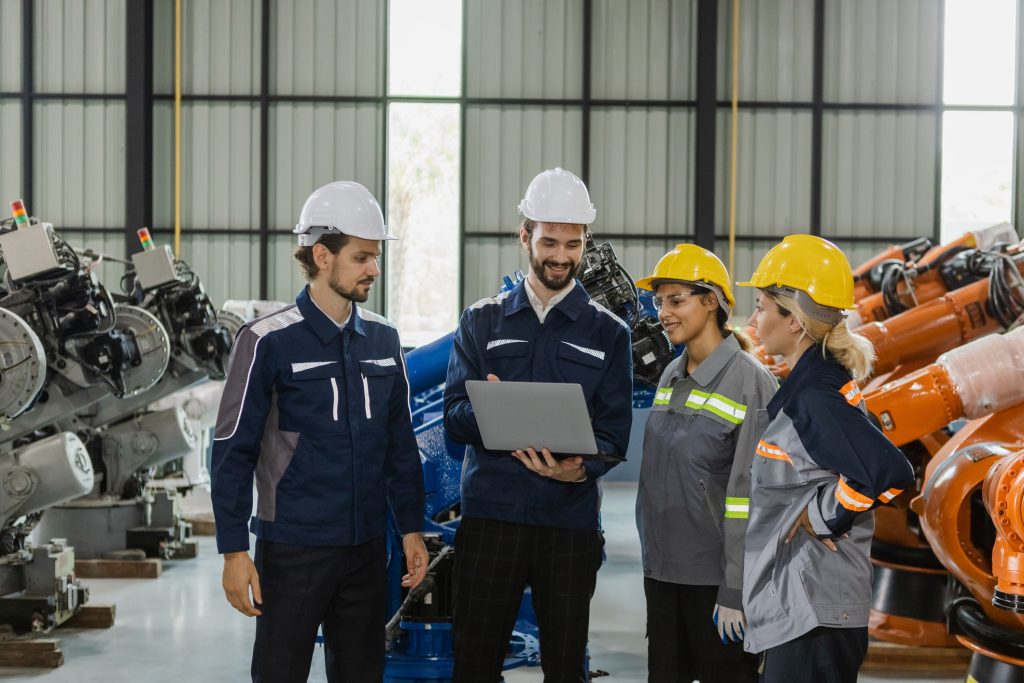
Where Does Cross-Industry Engineering Collaboration Deliver Results?
Combining specialised technical insights reliably leads to safer, lighter and more efficient industrial products across a wide variety of sectors.
High Performance Automotive Developments
Integrating complex automotive systems requires close communication between mechanical specialists and systems developers. As transport shifts toward electric drivetrains and autonomous platforms, custom light-weight suspension systems, battery contact plates and specialised engine pressings require close developmental alignment to perform safely under constant vibrations.
High Precision Aerospace Frameworks
In aerospace sectors where structural integrity and exact tolerances leave no room for error, partnerships between material scientists and component designers are vital. Early technical input allows for the production of lightweight wire forms and high-durability internal springs that satisfy rigorous aviation safety certifications while optimising fuel economy.
Commercial Construction Architecture
Modern commercial builds rely on complex structural elements to achieve long-term safety and environmental targets. When structural engineers, architects and specialist component manufacturers work closely together, large projects benefit from advanced anti-vibration spring mounts and seismic structural dampers that protect building longevity.
Technology Transforming the Collaborative Landscape
Innovation has changed not only what we manufacture, but also how engineering teams work together. As hybrid working becomes increasingly common, businesses are adopting digital technologies that allow designers, manufacturers and project teams to collaborate seamlessly, regardless of location.
Technology That’s Changing the Game
Innovation has changed not only what we manufacture, but also how engineering teams work together. As hybrid working becomes increasingly common, businesses are adopting digital technologies that allow designers, manufacturers and project teams to collaborate seamlessly, regardless of location.

- Virtual Reality (VR) & Augmented Reality (AR): Teams can now virtually “walk through” a mechanical assembly or building design via Virtual and Augmented Reality long before a single piece of metal is stamped or cut.
- AI-Powered Generative Design: AI is no longer just for data crunching. It is now used to analyse designs, predict mechanical flaws, and suggest geometric improvements, allowing engineers to iterate faster than ever.
- Cloud-Based Project Management: Tools like Autodesk BIM 360 and Teamcenter are changing the way projects are managed. With real-time updates, shared files, and collaborative workspaces, these platforms keep everyone aligned across different time zones.
Challenges in Collaborative Engineering
While highly beneficial, successful cross-discipline collaboration requires careful planning to overcome natural operational hurdles:
- The Language Barrier: Different departments speak different “languages,” and getting everyone to understand each other can take time. Establishing clear KPIs and unified design targets early mitigates communication breakdowns.
- Security Risks: Sharing sensitive project data across teams and platforms opens up vulnerabilities.
- Software Compatibility: If everyone’s using different software, integrating those tools can slow things down.
Engineering for a Sustainable Future
The priorities of modern engineers are shifting rapidly. It is no longer enough to build a component that simply meets its basic functional requirements, It must be sustainable too. Collaborative engineering provides a practical path to achieving this goal.
In the renewable energy and green building sectors, reducing material waste and extending component longevity requires a deep understanding of structural integrity and raw material characteristics. Early design collaboration allows engineers to select recyclable alloys and optimise component weight, achieving sustainable outcomes without sacrificing safety or performance.
Optimise Your Next Project
At European Springs Ireland, consultative collaboration is at the heart of everything we do. Whether you’re looking for constant force springs, tension springs, or custom pressings, our team works directly with your engineers to ensure you get the safest, most cost-effective outcome. Contact us today to collaborate on your next project and optimise your manufacturing process.
Frequently Asked Questions About Custom Engineering Partnerships
Why is collaborative engineering important in manufacturing?
It helps reduce project risk, improve product performance and minimise costly design revisions by bringing together expertise from different disciplines before production begins.
When should a spring manufacturer be involved in product development?
Ideally, a spring manufacturer should be involved during the initial design stage. Early consultation can help ensure the component is designed for both performance and efficient manufacture.
Are custom engineered springs better than off the shelf alternatives?
Yes, where performance, durability, space constraints or specific operating conditions are important, a custom designed component offers significant advantages over standard stock options by reducing failure risks and production waste.