

Spring transportation systems need resilient components to ensure that passengers are safe and vehicles last a long time. From heavy-duty spring rails in train networks to suspension in urban buses, high-quality transport springs manufacturing is the backbone of the modern public transit sector.
As a reputable spring manufacturer, we frequently work with clients in the rail and transport sectors, creating products that help transit companies stay compliant, safe, and equipped with long-lasting vehicles.
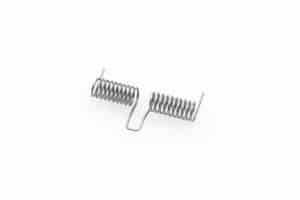
Railways: Utilise heavy-duty coil springs for primary suspension, brake shoe return springs, and spring rails for track switches.
Buses & Trams: Rely on progressive rate springs to manage varying passenger loads and uneven roads.
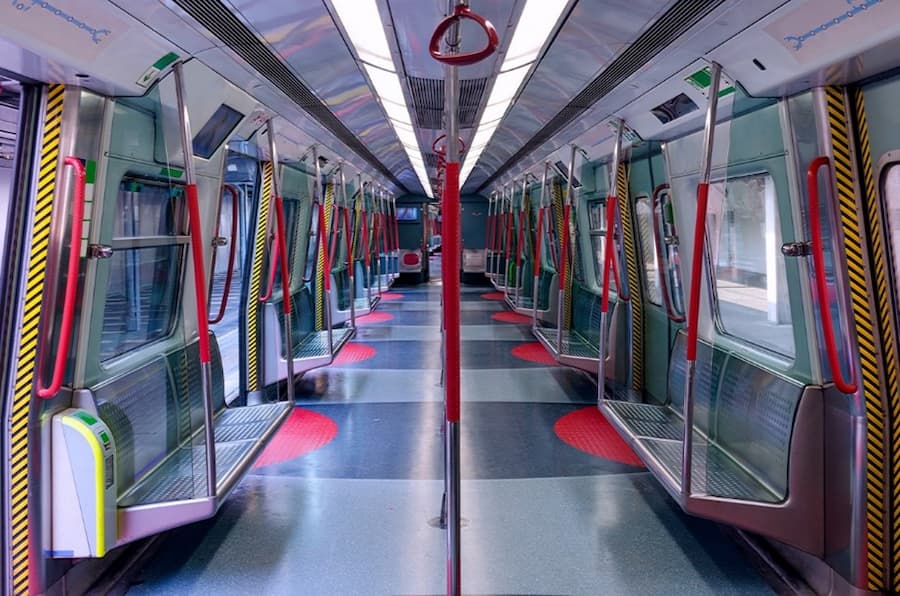
Transport Springs Manufacturing: Engineering for the Move
Since the beginning of this journey, springs have been onboard, covering various functions and generally optimising mechanical components. These resilient coils not only mitigate the wear and tear on various parts but also prolong their longevity. Their ability to absorb shocks, manage vibrations, and distribute forces allows the diverse components to work together, elevating the efficiency and reliability of the transportation network.
Types of Suspension Springs in Railway Systems
Various springs, each with unique characteristics, find applications in key areas of railway systems, such as:
- Suspension systems. Here is where heavy-duty types of suspension springs, like coil springs, operate. Their ability to absorb shocks and vibrations efficiently provides passengers with a smooth, comfortable journey.
- Braking systems also benefit from springs’ tireless work. Brake shoe return springs are indispensable components that assist in releasing the brakes after they have been applied. This function is vital for train safety and efficiency, preventing unnecessary wear and tear on the braking system.
- Railway Switches & Infrastructure: Transport manufacturing includes the tracks themselves in addition to the vehicles. Spring rails are essential components in rail crossovers. These heavy-duty tension and compression springs keep the tracks aligned during operations, so that trains flow safely and derailments are prevented.
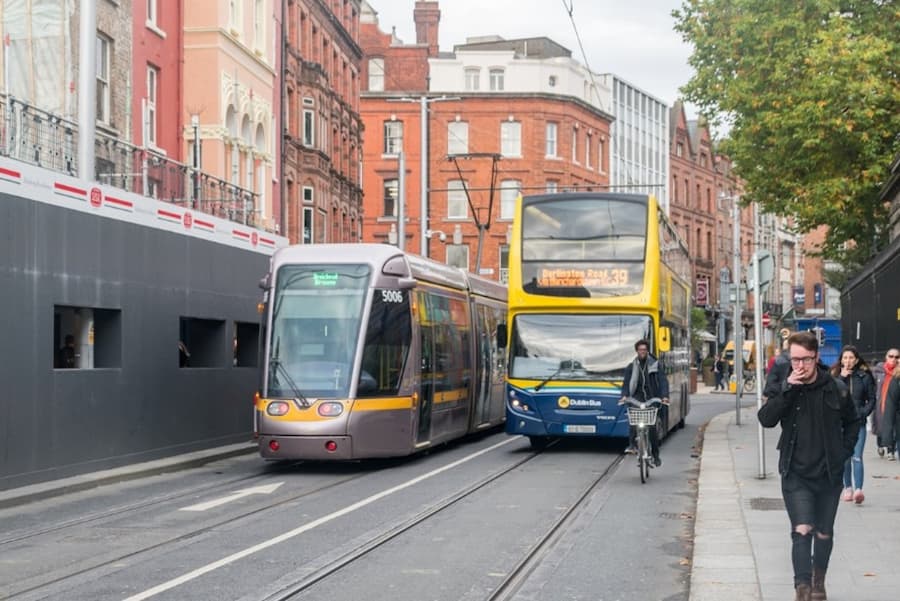
Spring Transportation: Buses & Trams
In buses, once again, springs are major players in suspension systems, providing a cushioning effect that mitigates the impact of uneven road surfaces. This improves passenger comfort and contributes to the overall stability and control of the vehicle.
This is similar to trams, where springs absorb shocks and vibrations to create a smooth, enjoyable travel experience.

Reliability, Safety, and Passenger Comfort
As we discussed, the incorporation of advanced spring technologies has led to more responsive suspension systems; this translates into more comfortable journeys and lower wear and tear on infrastructure.
Safety is significantly reinforced by the role of springs in braking systems and track switches. The reliability of these components, backed by the resilience of springs, contributes to accident prevention. Also, as nobody wants to embark on a journey filled with bumps, noises, and jolts, passenger comfort is important. These elements are all mitigated by springs, which provide a pleasant journey experience for all commuters.
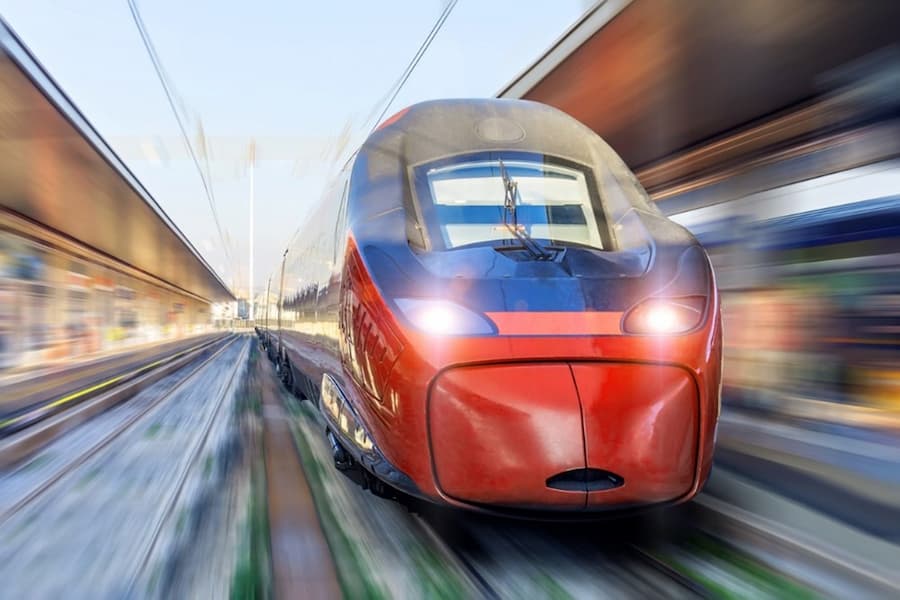
Examples of Tangible Improvements in Trains and Public Transport
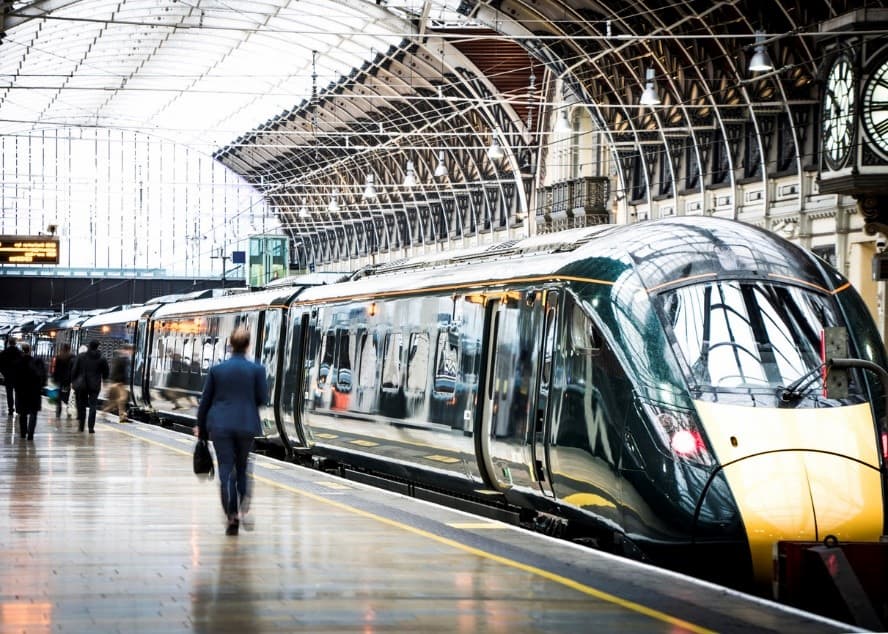
The implementation of spring technologies in suspension systems led to the introduction of high-speed trains.
Another example can be seen in buses. As we said, the adoption of progressive rate springs has revolutionised their suspension systems. This innovation allows for a softer initial drive, gradually stiffening as the load on the vehicle increases. As a result, passengers experience reduced discomfort and improved stability, especially when buses are fully loaded (which also translates into buses’ increased load capacity). These improvements, often unnoticed by commuters, represent the tangible outcomes of integrating innovative spring technologies into public transport systems.
In public transport, components are subject to environmental stress, including fluctuating temperatures, moisture, and road salt. This means that specialised materials are needed to ensure longevity and safety. Common materials include:
- High-Carbon Spring Steel: Used for heavy-duty suspension due to its exceptionally high yield strength.
- Stainless Steel: Essential for external components (like railway switches and brake systems) for corrosion resistance.
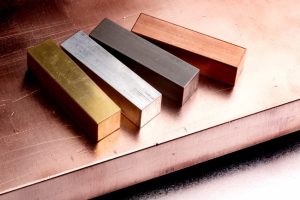
- Surface Treatments: Processes like plating and coating are applied to transport springs to protect the metal and extend the component’s lifespan.
Request a Custom Quote for Transport Springs
Whether you seek precision-engineered springs for optimising mechanical components or efficient solutions to boost your transportation network, we are here to help. With our track record of providing excellent, tailored springs, we can elevate your business’s capabilities, offering quality and professionalism.
Partnering with European Springs IE as a leading spring supplier offers plenty of strategic advantages if you work within the dynamic railway and public transport sectors. Our extensive expertise and commitment to innovation guarantee that our products can effortlessly integrate into diverse transportation systems, delivering a multitude of valuable benefits. So, browse our spring catalogue and contact us today to explore how our bespoke spring can keep your business in motion!