
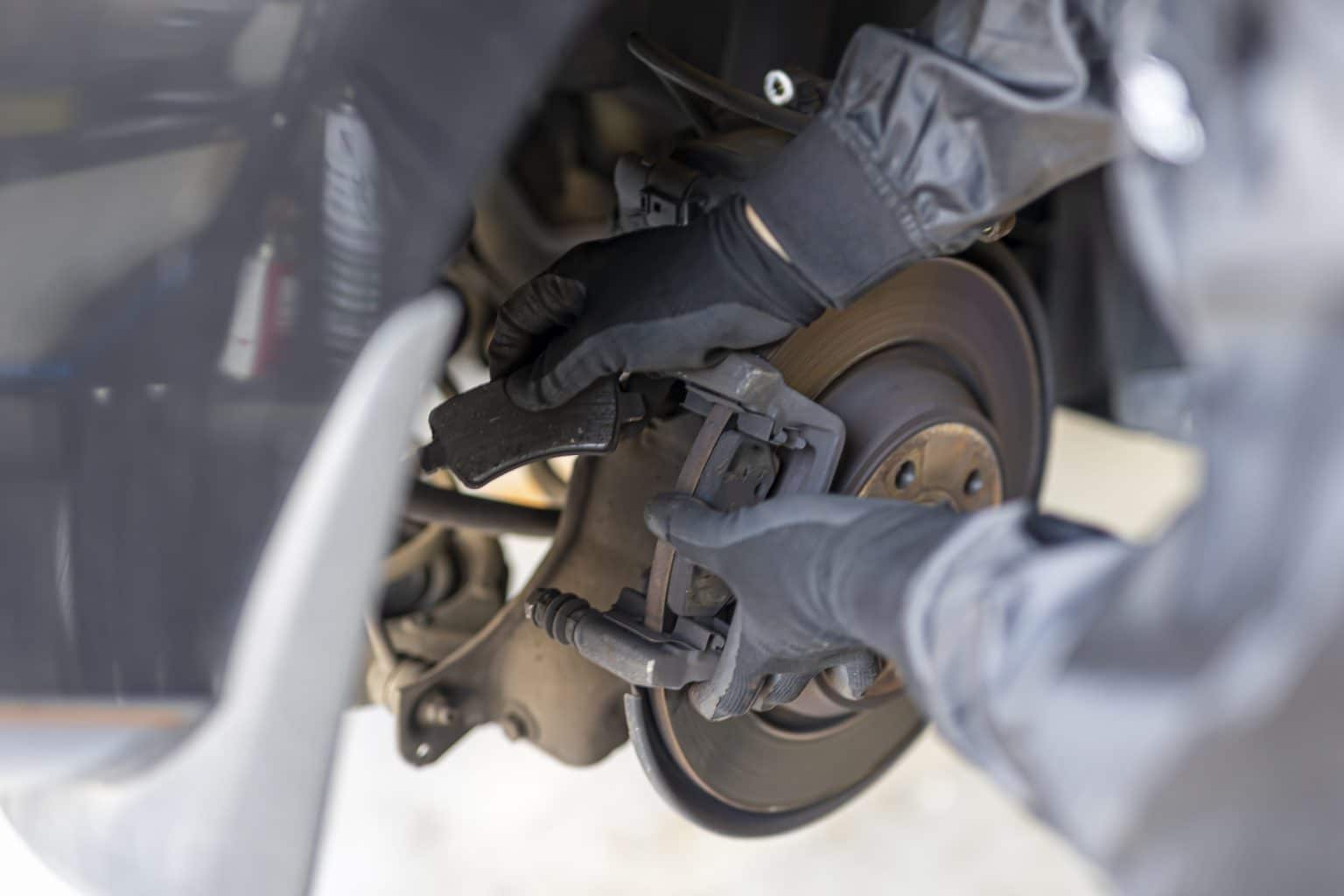
Pickup truck brake systems rely on several components working together seamlessly, including brake pads, callipers, rotors and the smaller spring clips that help control pad movement.
Spring clips in pickup truck brake systems help hold the brake pads correctly within the calliper assembly, control unwanted movement and reduce rattling and vibration. Their design must suit the specific brake assembly, operating conditions and required spring force.
For vehicles used with heavier loads or towing applications, brake components can experience demanding operating conditions. This makes the design and manufacture of small components such as spring clips an important consideration for automotive manufacturers and component suppliers.
In this blog, we look at where spring clips are used in pickup truck brakes, how they work, the differences between common brake clip types and the considerations involved when manufacturing them.
Where are spring clips used in pickup truck brakes?
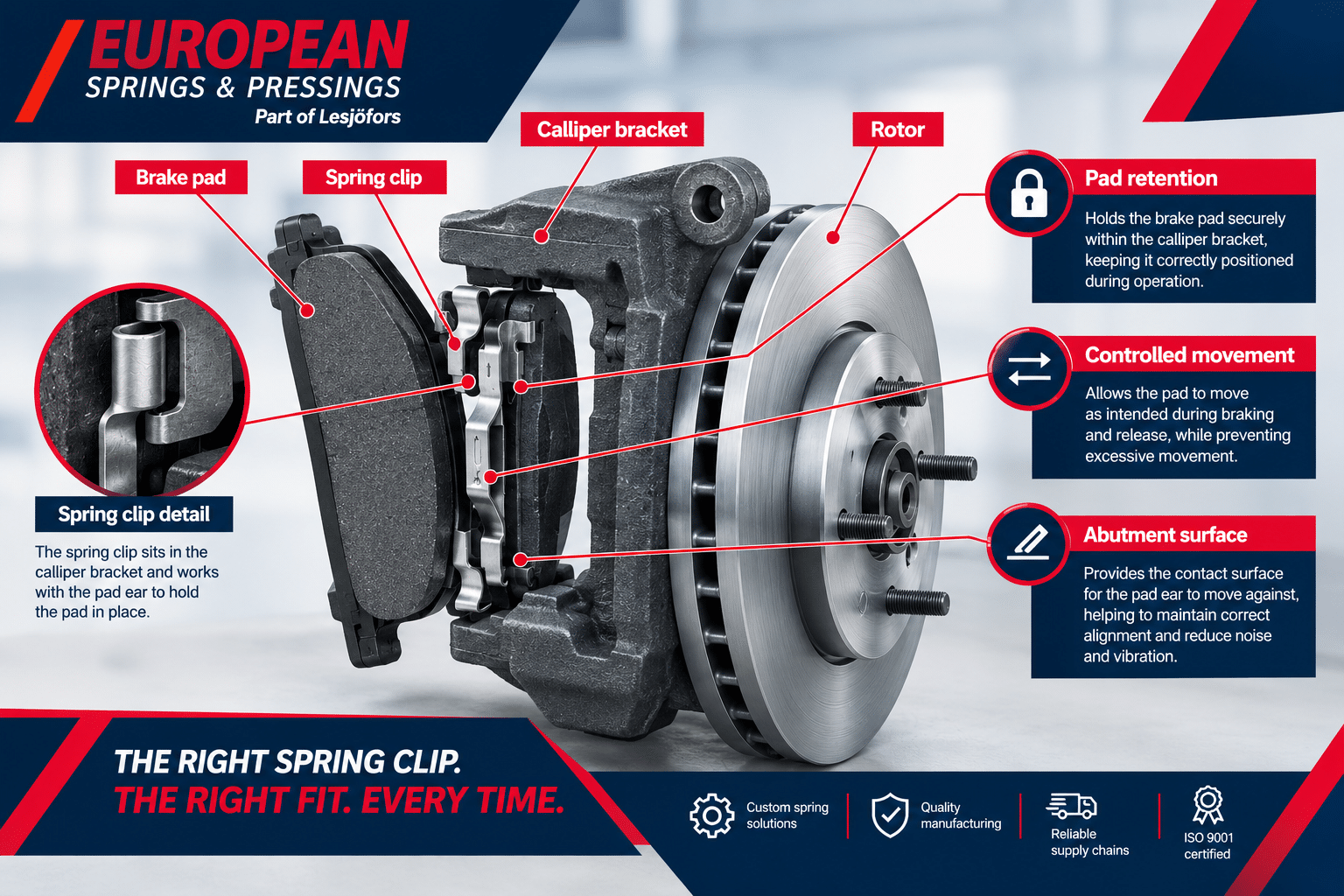
Spring clips are integrated within the brake hardware around the brake and calliper assembly. Depending on the brake design, they may help retain the pad, control movement or provide a spring-loaded interface between components.
The exact position and design vary between braking systems, so there is no single spring clip configuration that applies to every pickup truck. Some systems use abutment clips fitted into the calliper bracket, while others rely on dedicated anti-rattle or retaining clips.
The critical factor is that the clip must provide the correct amount of force while allowing the brake pad to move as intended during braking and release.
How do spring clips work in pickup truck brake systems?
In pickup trucks, the braking system is put under immense stress due to the size and weight of the vehicle, as well as the frequent towing and heavy payloads that many trucks are required to handle. Spring clips are strategically placed at the ends of the brake pads or on the bracket assembly to ensure the pads remain securely positioned and function properly.
Spring clips perform several vital functions within a brake assembly:
- Holding the brake pad correctly: Clips help control the position of the brake pad within the calliper or bracket, limiting unwanted movement while allowing the pad to move as required during braking.
- Reducing noise and vibration: Controlled spring pressure can reduce movement between the pad, clip and surrounding brake hardware. This can help reduce rattling and vibration during vehicle operation.
- Supporting consistent pad movement: Correctly designed hardware allows the pad to move appropriately as the brake is applied and released. This helps prevent excessive binding or misalignment within the assembly.
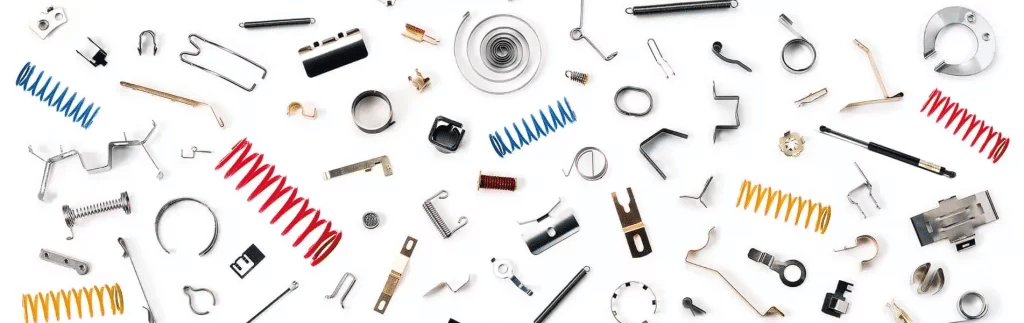
What is the difference between brake pad clips and abutment clips?
The terminology used for brake clips can vary between manufacturers and brake designs, which often causes confusion.
Abutment clips are typically fitted into the calliper bracket and provide a smooth contact surface against which the brake pad ears move. They also supply spring tension to control pad movement.The terms used for brake clips can vary between manufacturers and brake designs, which often causes c
Anti-rattle clips are designed to apply spring force that limits unwanted movement of the brake pad and helps reduce rattling and vibration.
Other brake systems may use retaining springs or custom-shaped spring clips depending on the design of the assembly. For this reason, a spring clip should always be designed around the specific brake system rather than selected solely by its general shape or description.
Why spring clip design matters in automotive braking
A spring clip may be a small component, but its dimensions, material composition, and spring characteristics must precisely match the assembly in which it operates.
Automotive brake components can be exposed to repeated movement, vibration, temperature changes, moisture and road contaminants. The spring clip therefore needs to maintain its required shape and force throughout the intended service life.
Design considerations can include:
- Required spring force and tension
- Material selection and durability
- Component dimensions and tolerances
- Available installation space
- Movement within the brake assembly
- Environmental and corrosion resistance requirements
- Production volumes and manufacturing methods
Getting these details right at the custom spring design stage can help prevent costly problems when the component moves into full-scale production.
A real-world example of spring clips in pickup truck brakes
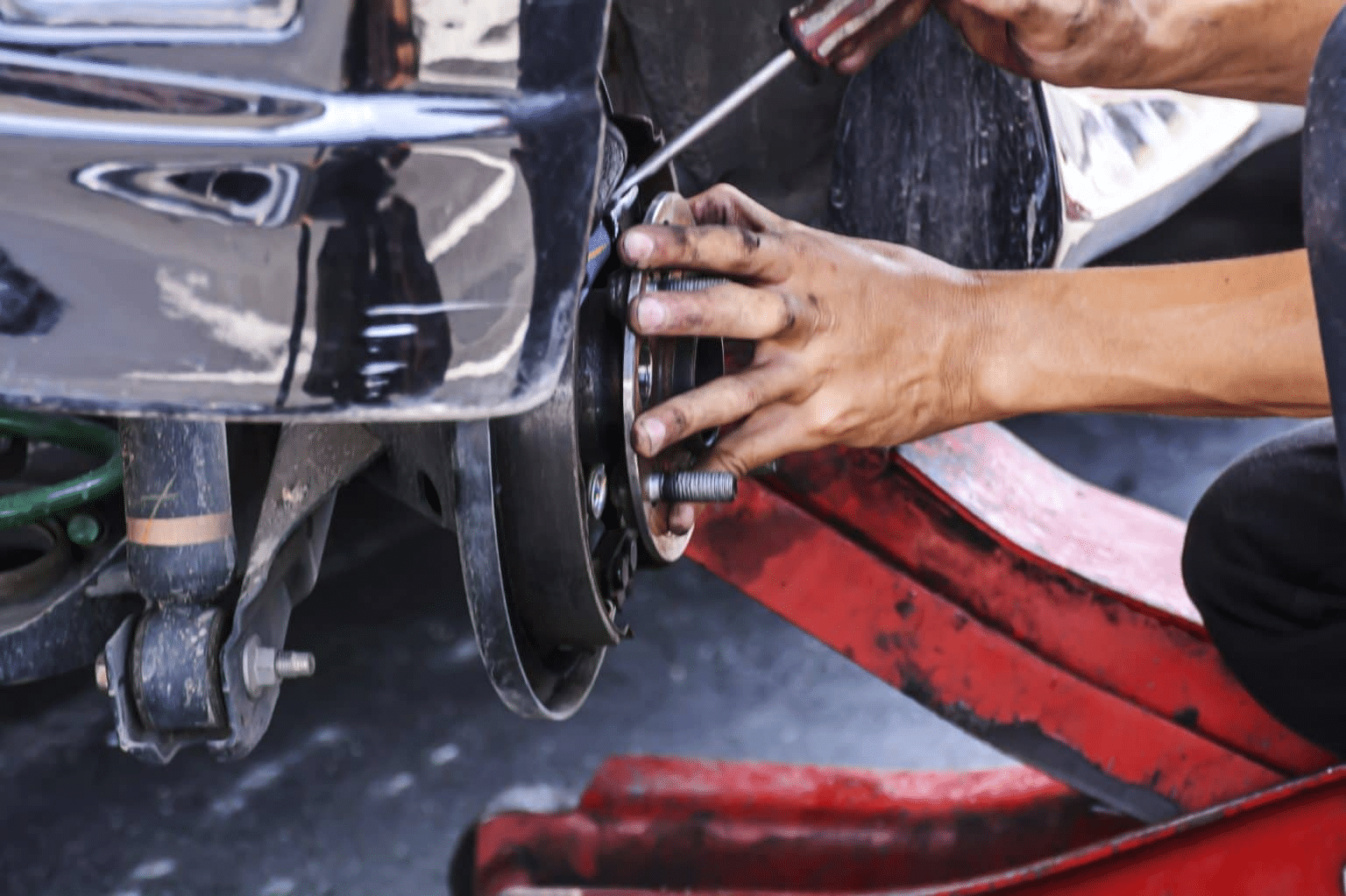
A useful example of spring clip application can be seen in the brake systems used on fourth generation Dodge Ram pickup trucks. Different brake configurations utilise varying forms of brake hardware, including standard spring clips and abutment clips.
In these systems, the clips help control brake pad movement within the assembly. Their design and position vary according to the brake package, clearly demonstrating why brake spring clips need to be matched to the specific application rather than treated as a universal component.
For the light-duty package, spring clips placed at the ends of the brake pads help keep the pads properly aligned, limiting unnecessary movement and friction. In the heavy-duty package, abutment clips perform a similar function by maintaining tension on the brake pads, keeping them positioned correctly for everyday driving and towing tasks.
What should manufacturers consider when specifying spring clips?
When specifying a spring clip for an automotive industry application, the starting point must always be the overall requirements of the complete assembly.
Essential technical inputs include:
- The required spring force and travel difference
- The clip’s exact dimensions and mounting position
- The material and required corrosion resistance
- Temperature and vibration exposure
- Required tolerances
- Expected production volumes
- Any existing tooling or CAD drawings
Providing this information early gives manufacturers a clearer understanding of the application and helps establish whether an existing design can be adapted or if a bespoke component is more appropriate.
Bespoke spring clips for automotive applications
European Springs & Pressings Ireland manufactures spring clips for retaining and clamping applications and supports customers requiring bespoke component designs. Its spring clip manufacturing capabilities can accommodate a wide variety of shapes, materials and application requirements.
For automotive projects, our comprehensive manufacturing services include CAD design and prototyping, tool making, quality assurance and production. Sourcing components through an established Irish and European manufacturer ensures reliable supply chains, shorter lead times, and adherence to strict quality controls. This allows spring clips to be considered as part of the wider component and manufacturing requirement rather than as an isolated part.
European Springs Ireland has more than 70 years of manufacturing experience and is ISO 9001 certified. Its automotive manufacturing service covers custom springs, wire forms and pressings for the industry’’s most demanding applications.
If you have a spring clip drawing, existing component or a new application that requires a bespoke solution, contact us or request a quote with your requirements.
Frequently Asked Questions
What do spring clips do in a brake system?
Spring clips help control brake pad movement within the calliper or bracket. Depending on the design, they can retain the pad, apply spring force and reduce unwanted movement, rattling and vibration.
Are brake pad clips necessary?
Yes, brake hardware is engineered specifically as part of an integrated brake assembly. Correct clips must be used where specified by the brake design to ensure safe operation and prevent premature wear.
What are abutment clips?
Abutment clips are formed metal components fitted to the calliper bracket in many disc brake designs. They provide a durable surface for the brake pad to move against and can help control pad movement through spring tension.
Are all pickup truck brake clips the same?
No. Brake clip designs vary according to the vehicle, brake assembly type, dimensions and required operating characteristics. Any replacement or manufactured clip must precisely match its intended application.
Can spring clips be manufactured to a specific design?
Yes. European Springs Ireland manufactures bespoke spring clips and can work from specific application requirements and component designs.