
The manufacturing process behind springs and pressings is both complex and fascinating. At the centre of that process is material selection. The spring materials and metals used in pressings directly determine performance, longevity, and reliability.
Whether it’s the robustness of steel springs or the corrosion resistance of stainless steel pressings, each material brings a unique set of benefits to the table.
In this guide, we examine the best spring and pressing materials, along with how they perform across different industries.

Why Is Material Choice So Important?
Material selection determines far more than structural integrity. It defines how a spring or pressing performs in real-world conditions.
The chosen material influences:
- Flexibility, implying the product’s ability to bend without breaking.
- Reliability, referring to the product’s capability to perform its function over time consistently.
- Durability, which speaks volumes about the product’s ability to withstand wear, pressure, or damage over its expected life span.
It is important to remember that a spring or press’s capacity to withstand diverse pressures, fluctuating temperatures, and varying environmental conditions is linked to the material’s properties, such as tensile strength, ductility, malleability, and corrosion resistance. The selection of material is a complex process that must consider all these aspects to ensure superior performance.
How Do Materials Affect Spring Performance?
The performance of springs and pressings is directly linked to the materials used. Careful material selection is fundamental, as the sector and its requirements dictate the best-suited material for each given use case.
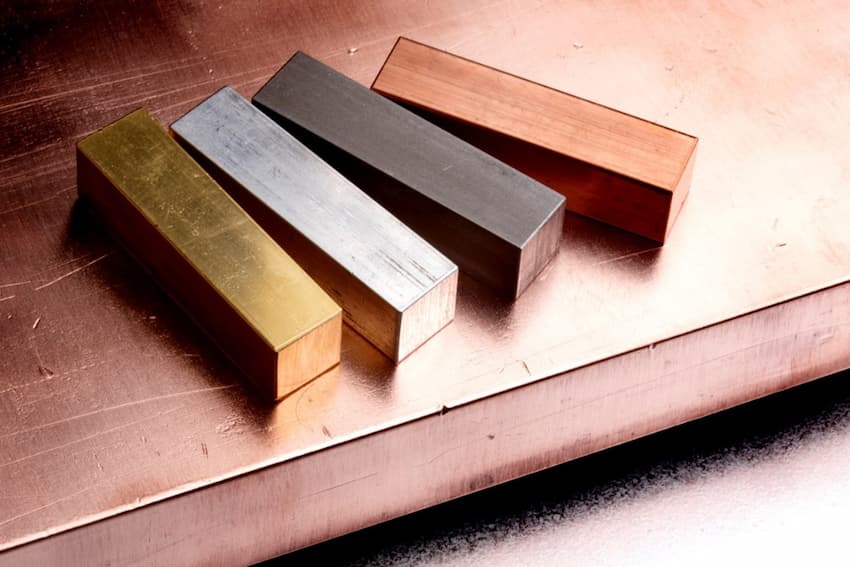
Different alloys provide varying levels of:
- Strength.
- Elasticity.
- Corrosion resistance.
- Electrical conductivity (where required).
By selecting the most appropriate alloy, companies can tailor their springs and pressings to the specific demands of each project, leading to improved performance and increased longevity of the components.
Best Materials for Springs
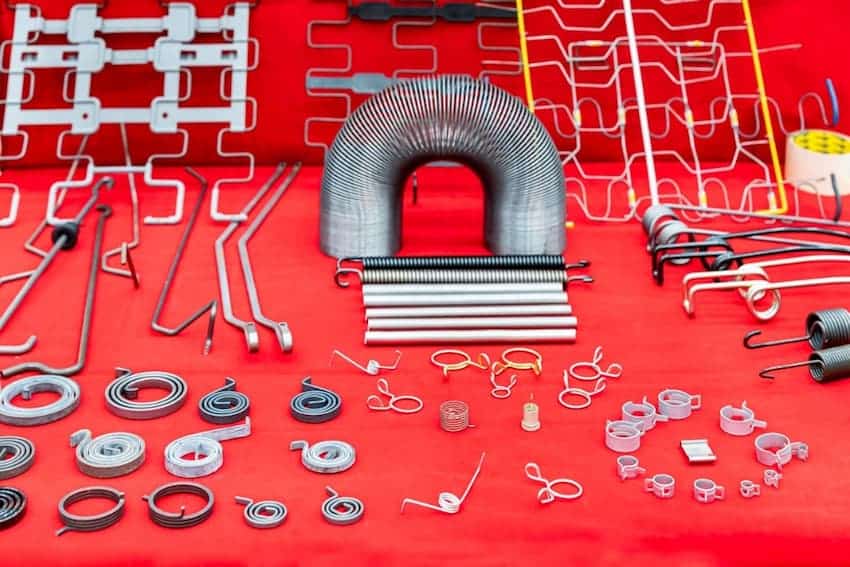
The right material will improve the spring’s ability to absorb and store energy effectively and resist wear and tear – like in compression springs – even under the most challenging conditions. Below are the most widely used spring materials across industrial applications.
Steel: The Backbone of Springs
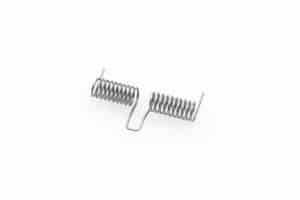
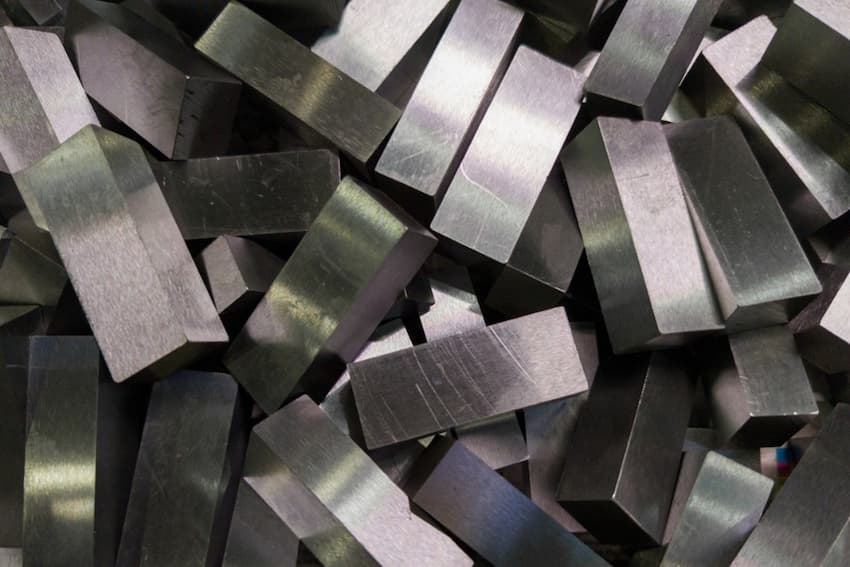
Steel remains a must in spring manufacturing. Its robustness, high tensile strength, and cost-effectiveness make it a popular choice across various industries. Springs crafted from steel , such as tension springs or torsion springs, offer incredible durability, ensuring they can endure repeated cycles without compromising their structural integrity.
Stainless Steel: Resilience with Corrosion Resistance
Stainless steel is a prime choice when considering applications where exposure to moisture and harsh environmental conditions is inevitable. Its alloy composition, including chromium and nickel, provides an extra layer of protection against rust and corrosion.
Alloys: Tailoring Performance to Precision
Alloy springs offer a tailored approach to performance as they blend various metals. Depending on the alloy composition, these springs have excellent characteristics such as heightened flexibility, heat resistance, and specific mechanical properties. Alloy springs find applications in industries requiring precision and specialised functionality. Some of the alloys we offer include Hastelloy, Elgiloy, Nimonic, Inconel, and Beryllium Copper.
Materials in Pressings: Ferrous Vs Non-Ferrous Metals
In pressing manufacturing, the choice of material affects both formability and finished performance.
Ferrous Metals: Strength and Formability
Ferrous metals, including iron and steel, provide the structural integrity needed for applications demanding robust components. The malleability of ferrous metals makes them suitable for complex pressings without compromising on strength.
The resilience of ferrous metals ensures the resulting metal pressings can stand up to demanding applications. Whether it is heavy machinery or vital components in an electronic device, products made with ferrous metals have the strength and durability to function in high-stress situations, assuring long-lasting performance.
Non-Ferrous Metals: Lightweight Versatility
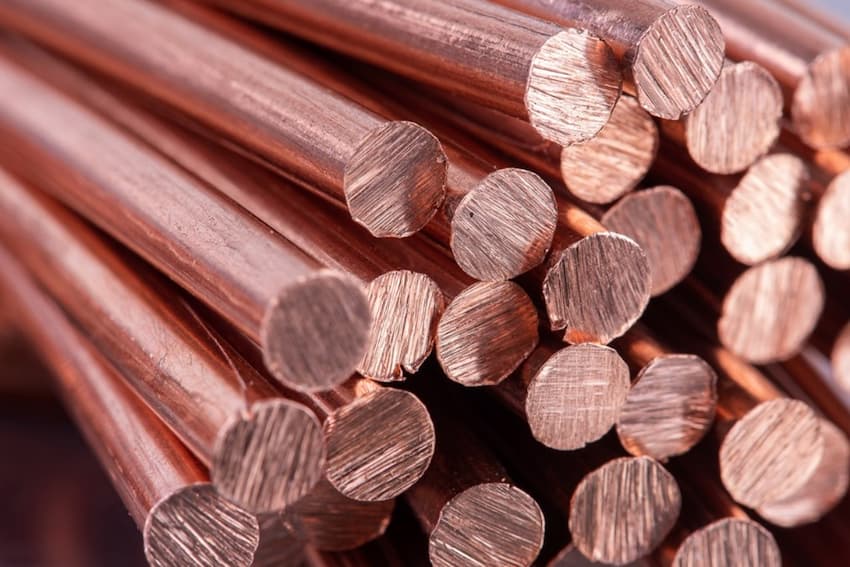
Non-ferrous metals, including aluminium and copper, among others, bring an element of lightweight versatility to pressings. Industries seeking components with reduced weight without sacrificing strength often turn to non-ferrous metals for their pressing needs.
For instance, aerospace, automotive, and electronics industries use non-ferrous metals in their pressings to achieve the desired balance between weight reduction and structural integrity. These materials exhibit excellent corrosion and rust resistance, which further extends the lifespan of pressed components, guaranteeing continued performance even under harsh environmental conditions.
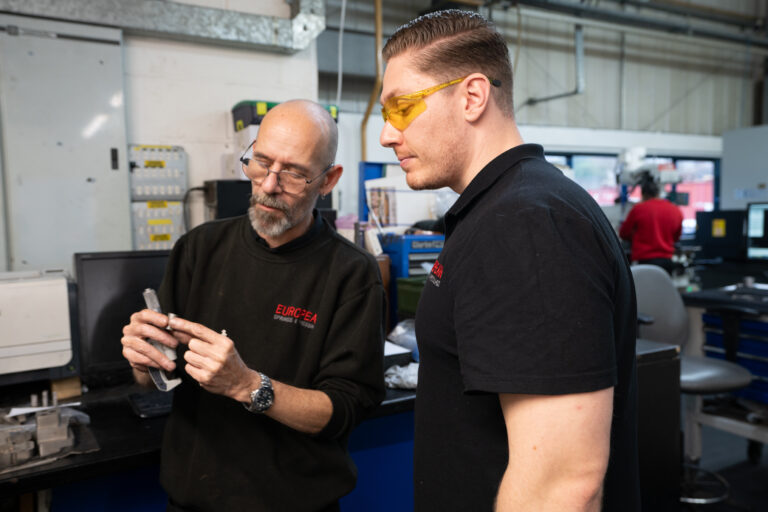
European Springs’ Approach to Material Selection
As an established spring and pressing manufacturer, we begin by understanding:
Application requirements
- Environmental conditions.
- Performance expectations.
- Compliance standards.
From there, we recommend the most appropriate spring materials or pressing metals based on engineering principles and long-term reliability.
Each order is customised to ensure precise alignment between material properties and operational demands. This ensures the finished components not only meet specification but deliver consistent performance throughout their service life.
As industry requirements evolve, our commitment remains the same: delivering dependable, high-performance springs and pressings engineered for durability and precision.
Browse our online springs catalogue or contact us today for a bespoke order, and we will do anything we can to help you take your project to the next level.