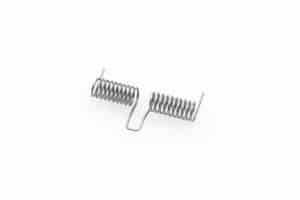


Even the smallest components must perform reliably under demanding conditions. Medical springs, particularly compression springs, play a crucial role in the function, safety, and performance of modern medical devices.
Compression springs are designed to provide controlled force within compact spaces, which is commonly required in diagnostic equipment, implantable technologies, and drug delivery systems.
What medical devices have springs?
Springs are used throughout the medical sector wherever consistent pressure, movement, or electrical contact is required.
Here are some common examples:
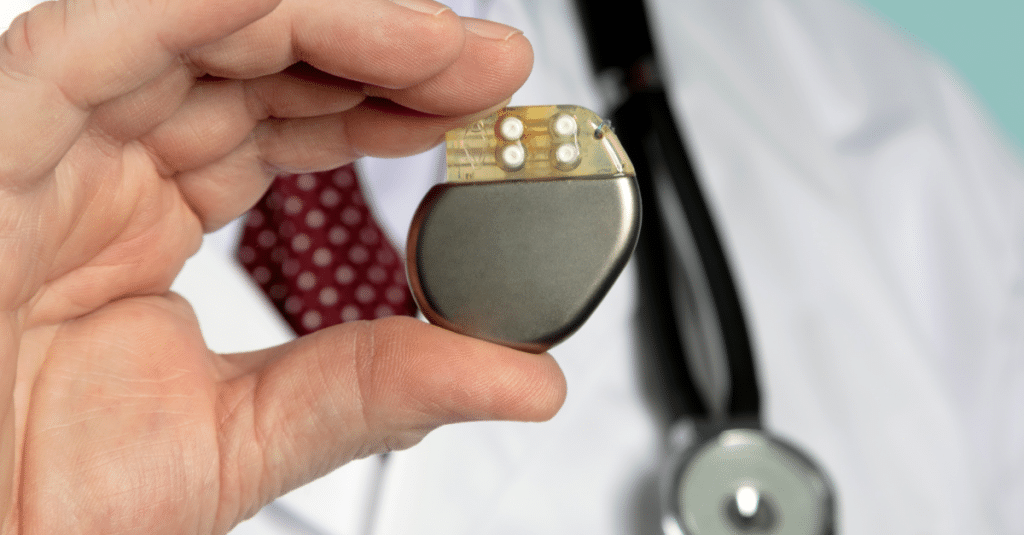
- Pacemakers and implantable devices: Compression springs help secure electrical leads that connect circuits to the heart.
- Autoinjectors and drug delivery systems: Springs power injection mechanisms to ensure doses are accurate.
- Blood lancet devices, syringes, and inhalers: Compression springs contribute to the daily operation of drug delivery tools.
- Continuous glucose monitors: Springs help maintain comfortable, consistent contact with the skin during extended wear.
These applications are just a few examples of the critical applications springs play in medical environments.
What spring materials are used in the medical industry?
Material choice is one of the most important engineering decisions in medical manufacturing. Springs are often required to be corrosion-resistant, sterilisable, hypoallergenic, and biocompatible.
Stainless steel
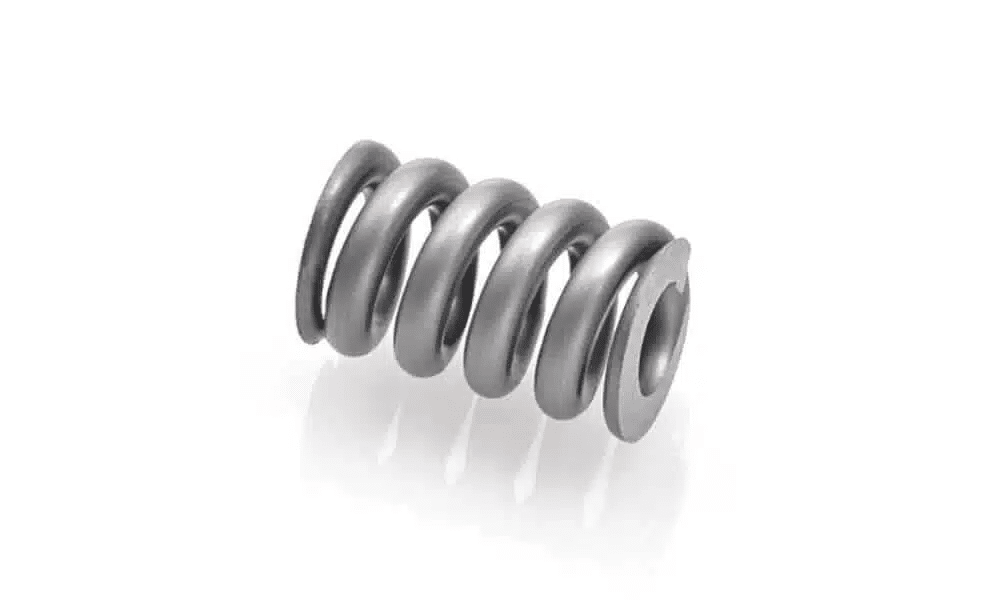
A stainless steel compression spring is one of the most widely used components for medical devices.
We offer a range of different stainless steels for the manufacture of our compression springs, including variants that adapt to anti-corrosion, high temperatures, or non-magnetic properties. Stainless steel is frequently chosen for implantable devices because it resists corrosion and reacts minimally with the body.
Other materials used in medical springs
Depending on the environment and performance requirements, there are other materials suited to medical applications, such as hastelloy, which provide exceptional corrosion resistance in harsh environments.
What are the applications of compression springs?
Compression springs are among the most versatile mechanical components in healthcare manufacturing.
Typical applications include:
- Drug delivery devices such as autoinjectors and pen injectors.
- Diagnostic equipment.
- Implantable technologies that regulate critical bodily functions.
- Wearable monitoring devices requiring steady pressure.
Their ability to store and release energy in a controlled manner makes them essential wherever predictable mechanical performance is required.
For medical providers, partnering with experienced compression spring manufacturers helps ensure that every component aligns with device performance and patient safety requirements.
Why use European Springs as your medical component manufacturer?
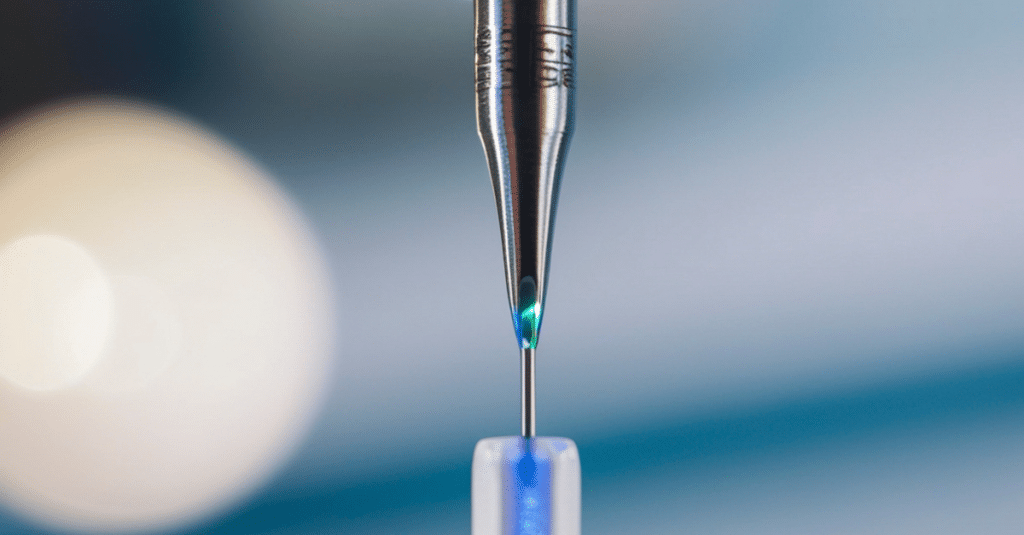
With decades of engineering expertise, European Springs & Pressings supports the healthcare industry with dependable components, made from the right materials, built to perform in these environments.
What to expect from us:
- Biocompatible materials: Products are available in corrosion-resistant materials such as stainless steel and Hastelloy.
- Quality assurance: ISO 9001 certification and strict quality control processes help ensure compliance with medical device standards.
- End-to-end engineering support: Our team will collaborate with you from concept and prototyping through to high-volume production.
Springs are fundamental to the function, safety, and long-term reliability of many medical devices. By working with a trusted medical component manufacturer, organisations can reduce risk and develop dependable technologies with confidence.
Frequently Asked Questions
What are medical springs used for?
Medical springs provide controlled force, movement, or positioning inside devices such as pacemakers, injectors, and monitoring equipment, where precision and reliability are essential.
Why is stainless steel commonly used in medical compression springs?
Stainless steel offers corrosion resistance, durability, and strong fatigue performance, making it ideal for devices exposed to moisture, chemicals, or sterilisation processes.
What should you look for in compression spring manufacturers?
Look for proven engineering expertise, high-quality materials, regulatory compliance, and collaborative design support to ensure components meet demanding healthcare standards.