

The relationship between an automotive engineer and an automotive mechanic can sometimes be misunderstood. Both play essential roles within the automotive industry, but their day to day responsibilities are very different.
Automotive engineers focus on the design, development, testing and improvement of vehicles and vehicle components. An automotive mechanic focuses on maintaining, diagnosing and repairing vehicles once they are in use.
Engineers help create and improve vehicles, while mechanics keep them running safely and efficiently throughout their operational lives. Understanding the distinction is vital for businesses operating within the automotive sector and manufacturers that rely on specialist engineered components.

Automotive Engineer vs Automotive Mechanic
One of the most common questions people ask is whether engineers and mechanics perform the same role. While both work within the automotive industry, their daily objectives differ significantly.
Although their responsibilities diverge, both contribute to the safety, reliability and performance of modern vehicles.
What are the Responsibilities of an Automotive Engineer?
Engineers in the automotive sector typically work for vehicle manufacturers, engineering consultancies, research organisations and specialist component suppliers. Their main responsibilities span across several technical areas:
- System design and development: Engineers dedicate their time to creating vehicle systems, electric vehicle (EV) technologies, safety features and manufacturing processes.
- Testing and performance analysis: A significant portion of engineering work focuses on rigorous testing and performance improvements to guarantee that products meet strict operational requirements before they reach the assembly line.
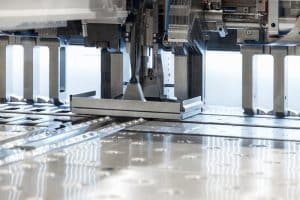
- Mechanical durability planning: Mechanical engineers frequently work on components that must withstand extreme repeated movement, constant vibration and changing thermal loads throughout their service lives. This is where precision-engineered parts such as springs, wire forms and pressings become critical to overall vehicle performance and reliability.
- Broad industry innovation: Modern automotive engineering extends well beyond passenger vehicles, rail transport, agricultural machinery and specialist industrial equipment by applying expertise across mechanical, electrical and software systems.
The Critical Interface Where Engineering Meets Manufacturing
A significant portion of an automotive engineer’s success relies on early collaboration with specialist component manufacturers. Selecting the correct compression springs or presswork geometry early in a project’s development cycle is not a minor detail. It fundamentally influences product reliability, available installation space and long term performance.
Manufacturing delays frequently occur when component manufacturers are involved too late in the design phase. A theoretical design that appears functional on a CAD screen may present significant manufacturing challenges or cost implications when moved to volume production.
By closing the gap between theoretical design and practical manufacturing reality, engineers can solve complex design challenges before products enter the production line. This proactive approach drastically reduces the risk of expensive redesigns or tooling changes later in the development cycle. It addresses a common challenge for technical managers and procurement professionals looking to secure a reliable supply chain.
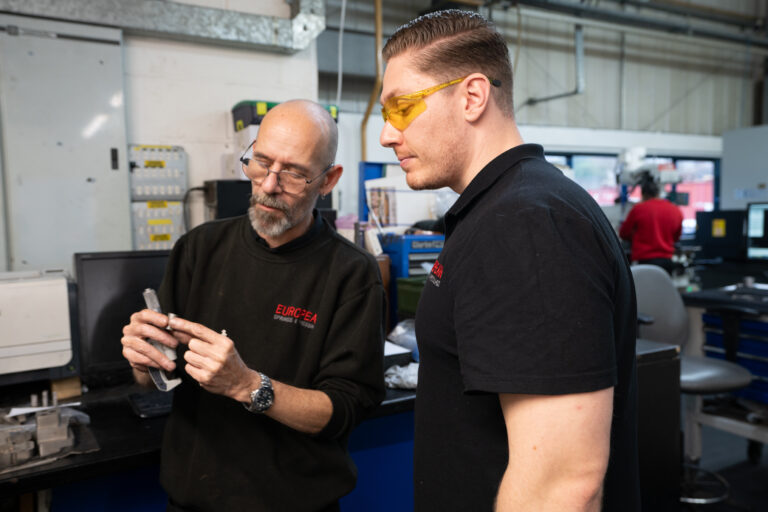
At European Springs Ireland, our engineering teams possess the expertise to support design engineers throughout this journey. We facilitate the transition from concept to prototype and on to production, ensuring material consistency and quality control at every stage.
What About the Responsibilities of an Automotive Mechanic?
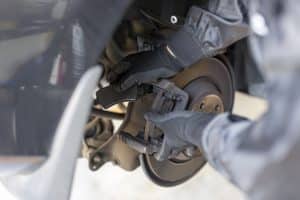
Automotive mechanics operate at the practical, customer facing end of the vehicle lifecycle. They are generally not involved in the initial design or manufacturing processes; instead they work directly with vehicles that have already accumulated mileage.
Mechanics utilise specialist diagnostic equipment to interpret fault codes, assess mechanical wear and implement necessary repairs. Their roles also encompass routine servicing and preventative maintenance to minimise the risk of unexpected breakdowns.
As vehicle technology rapidly advances, the mechanic’s role has also evolved. Modern vehicles are essentially sophisticated mobile computer networks incorporating complex electronics, advanced driver assistance systems (ADAS) and software-controlled power delivery.
Today’s technicians require a profound understanding of both traditional mechanical systems and intricate electronic architecture.
How Do Automotive Engineers and Mechanics Work Together?
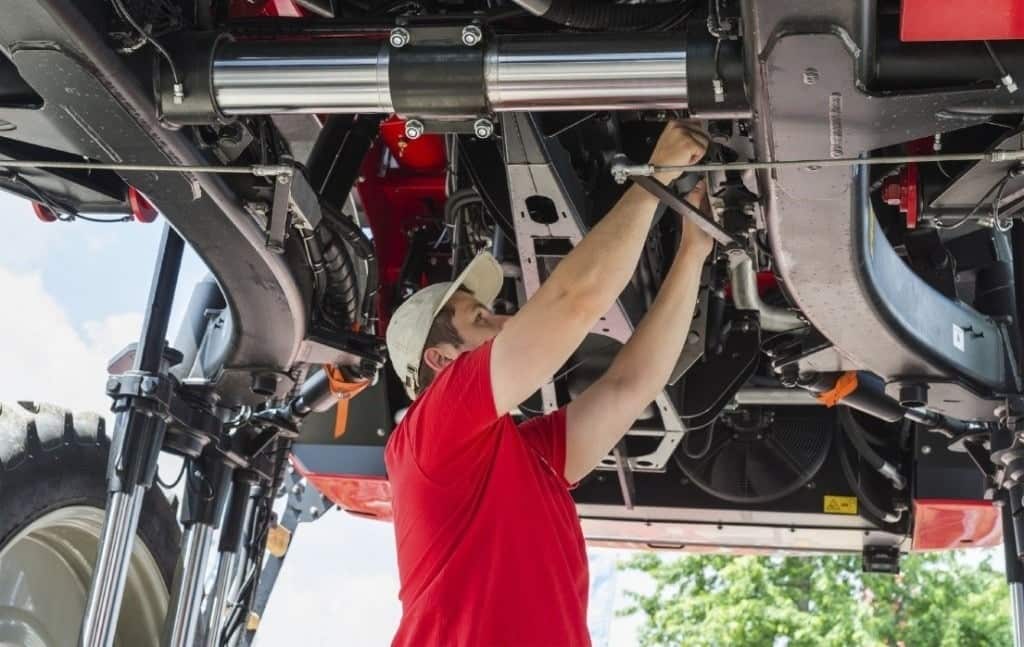
Although their responsibilities differ, automotive engineers and mechanics rely on each other throughout the lifecycle of a vehicle.
Engineers develop and refine the systems that make modern vehicles safe, efficient and reliable. Mechanics provide valuable feedback by identifying common failures, maintenance challenges and operational issues experienced by vehicle owners in real-world conditions.
This synergy helps manufacturers improve future vehicle designs while ensuring existing vehicles continue to operate safely. Feedback from workshops and maintenance teams frequently influences future engineering decisions, component selection, and product improvements.
The automotive industry depends on both disciplines working together to deliver reliable vehicles from initial concept through to long-term operation.
Why Precision Components Matter in Automotive Engineering
Whether a design team is developing a new suspension system, enhancing vehicle safety mechanisms or improving electric powertrain efficiency, success depends entirely on accurately manufactured components. Even microscopic variations in component performance or material tolerance can negatively impact reliability, brand reputation, and vehicle operation.
This is exactly why automotive manufacturers and engineers within demanding sectors rely on specialist suppliers capable of producing high-quality springs and engineered components to exact tolerances. Precision manufacturing ensures total consistency across prototypes, testing phases and full scale production programs.
European Springs Ireland provides established manufacturing capabilities supported by stringent quality control, traceability and technical expertise.
We offer a true manufacturing partnership, solving technically demanding challenges rather than simply supplying individual components.
Supporting the Automotive Industry
The industry relies on the unique expertise provided by both automotive engineers and automotive mechanics. Mechanics ensure existing vehicles continue to operate safely. Automotive engineers bear the responsibility for innovation and structurally solving manufacturing challenges.
At European Springs Ireland, we are proud to support design engineers and procurement teams across the automotive sector through the reliable supply of high quality compression springs, torsion springs, tension springs and bespoke engineered components.
Whether you are in the early stages of developing a new product, refining an existing design, or facing a specific technical challenge, our experienced team is ready to provide engineering support and practical manufacturing solutions for your next project.
Submit your drawings, discuss your specific manufacturing challenge or request a quote to see how our precision manufacturing expertise can streamline your development process.